Key Points
- Separation worries are common when a child begins a new care setting
- A predictable goodbye is more helpful than a long return to the classroom
- Children cope better when they know what will happen next
- Home and school can use the same short language and calming cues
- Persistent distress deserves a supportive conversation with the teacher and healthcare professional
Separation anxiety at preschool can make an exciting new beginning feel difficult at the same time. Your child may talk happily about paint, songs, and new friends at home, then cling tightly when it is time to walk through the door. Tears at drop off do not mean preschool is a mistake or that your child is not ready. They often show that separation is a big emotional task.
Preschool separation anxiety usually eases as children learn the room, the adults, and the daily rhythm. Parents can help by making the goodbye predictable, practising small separations, and staying confident while still acknowledging the feeling. The goal is not to make your child stop missing you. It is to help them discover that you leave, they are cared for, and you come back.
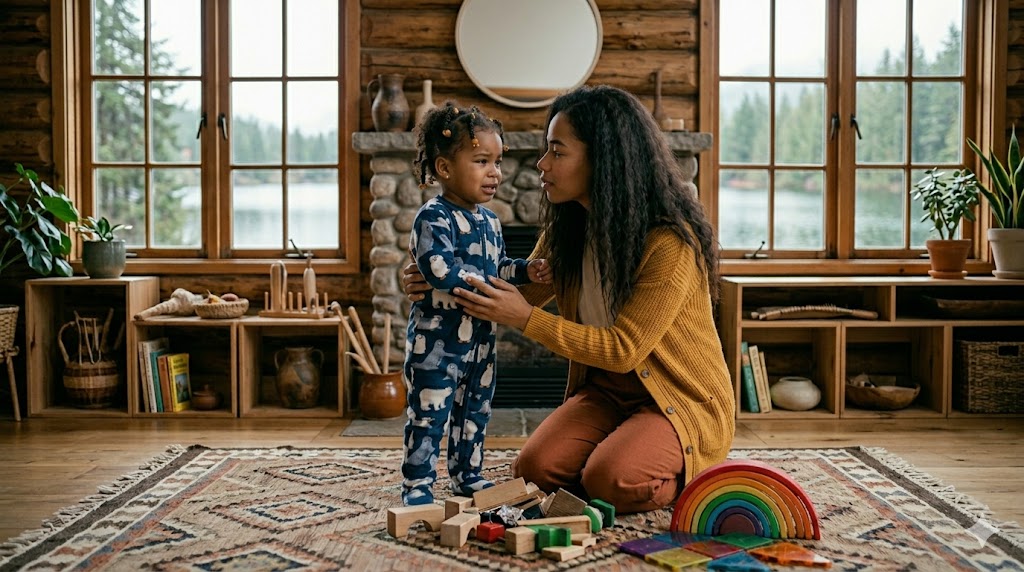
What Preschool Separation Anxiety Can Look Like
Some children cry at the door, hold a parent’s clothing, refuse to take off a coat, or ask the same question repeatedly. Others become quiet, complain of a stomachache, or seem fine until bedtime. A child can be eager to attend and still feel upset at separation. Look at the pattern across several days rather than judging readiness from one morning.
Why Starting Preschool Feels So Big
Preschool brings new adults, unfamiliar sounds, group expectations, and changes in the order of the day. A child who was comfortable with a babysitter may react differently to a busy classroom. Development also matters. Young children understand that you exist when you are out of sight, but waiting for your return can still feel very long.
New People and New Rules
Your child is learning which adult helps with the bathroom, where bags go, how snack works, and how to ask for a turn. Uncertainty can make the goodbye harder. A short visit, a photo of the classroom, or a simple story about the routine can reduce the number of surprises.
Changes in Sleep and Routine
Early mornings, a missed nap, or a later bedtime can make emotions harder to manage. Protect sleep, offer breakfast, and leave enough time to dress without rushing. A calm morning will not prevent every tear, but it gives your child more energy for the separation.
Build a Predictable Goodbye
Choose three or four steps and repeat them in the same order: arrive, hang up the bag, share a hug, say the goodbye phrase, and leave. The routine can be warm and brief. Long goodbyes sometimes increase uncertainty because the child keeps waiting to see whether the parent will go.
Use a Clear Time Phrase
Say when you will return in a way your child understands, such as “I will come after snack and outside play.” Avoid promising an exact clock time if your child cannot read one. Keep the promise accurate and ask the teacher to help your child notice the next activity.
Leave With Confidence
Your face and voice give information about safety. You can feel sad and still say, “You are safe. Ms. Lina will help you. I will come back.” If you return several times after saying goodbye, the child may learn that crying can delay the separation. Let the teacher take over while you leave calmly.
Practise Small Separations at Home
Begin with a trusted adult and a short period. Tell your child what will happen, leave, and return when promised. Gradually practise a longer activity such as a visit to a relative, a library class, or a short playdate. The lesson is not that your child must cope alone. It is that other safe adults can help while you are away.
- Play a peekaboo or hide and return game.
- Leave a familiar comfort item in the child’s bag if the school allows it.
- Draw a simple picture of goodbye, play, snack, and reunion.
- Read a story about a character who starts a new group.
- Let your child choose between two goodbye gestures.
What Teachers Can Do
Share details that help the classroom team connect with your child. Tell them the words your child uses for comfort, the activities they enjoy, and what usually helps after a disappointment. Ask the teacher to greet your child by name and guide them to one familiar activity. A specific handoff is easier than leaving a child standing in the doorway.
A Consistent Handoff Plan
One adult can receive the child, offer a brief choice, and send a short message to the parent later. Decide how the school will communicate if crying lasts longer than expected. Reassurance is useful, but frequent messages during the first minutes can sometimes make it harder for the child to settle.
When Your Child Says They Hate Preschool
Listen before trying to persuade. You can say, “You do not want to go today. Something feels hard.” Ask one gentle question about the moment that worries them. If the answer is unclear, watch for patterns around noise, toileting, a peer, a transition, or a particular adult. Avoid dismissing the feeling with “You are fine.”
Common Mistakes to Avoid
- Leaving secretly without saying goodbye.
- Making promises you cannot keep.
- Returning repeatedly after the handoff.
- Describing your child as shy, difficult, or not ready in front of them.
- Comparing the length of your child’s tears with another child.
- Changing the plan every morning before your child has time to learn it.
When to Seek Extra Support
Talk with the teacher and your child’s healthcare professional if distress remains intense for several weeks, prevents participation throughout the day, causes repeated physical symptoms, or appears with a major loss of skills. Ask whether the classroom can make a gradual entry plan. Support is not a sign of failure. It is a way to match the environment to your child’s needs.
Frequently Asked Questions
How long does preschool separation anxiety last?
There is no exact timetable. Many children show improvement as the routine becomes familiar, while others need several weeks of consistent support. Look for small gains such as a shorter goodbye, accepting the teacher’s hand, or joining one activity.
Should I stay until my child stops crying?
Usually a brief, predictable goodbye works better than staying until the tears end. Agree on the handoff with the teacher and leave once your child is safely connected to an adult.
What comfort item can help?
A small approved item such as a family photo, soft cloth, or key ring can provide a reminder of home. Follow the school’s safety rules and choose something your child can put away during activities.
What if my child is happy after I leave?
That is common and reassuring. Children can cry during the transition and then engage in play once the classroom feels familiar. Ask the teacher about the rest of the morning rather than judging the day by drop off alone.
Preparing for separation anxiety
Separation anxiety usually eases when goodbyes are brief, predictable, and followed by a reliable reunion. Keeping separation anxiety practical and repeatable helps the whole family.
For broader, evidence informed context, see AAP toddler guidance.
Related Guides
Toddlers 1 to 3 Years | Big Feelings | Daily Routines | Positive Discipline
Sources and Editorial Note
This article is educational information for parents and is not medical advice. The guidance was reviewed against resources from ZERO TO THREE, American Academy of Pediatrics HealthyChildren.org, and the Centers for Disease Control and Prevention. Families should seek individualized support when distress is persistent or severe. Reviewed by the Simplee Parenting editorial team.
Making the preschool transition gentler?
Explore simple tools for big feelings and calmer daily routines.