Key Points
- For preschoolers, content quality, context, and sleep matter alongside total minutes
- A clear family plan reduces arguments more effectively than negotiating during a show
- Co viewing turns screen use into a shared activity rather than background noise
- Warnings and a ready next activity make transitions easier
- Screen habits should support sleep, movement, play, and family connection
Screen time for preschoolers can stay balanced when families protect sleep, play, and connection. Screen time advice can leave parents feeling as if every minute is a test. One source talks about limits, another talks about educational value, and real family life includes sick days, long journeys, and a child who needs ten quiet minutes while dinner is prepared. A useful plan makes room for reality without giving up healthy boundaries.
This guide explains practical screen time for preschoolers strategies and the principles behind them. For the rest of the day, connect the plan to our daily routines guide so screens have a clear place rather than taking over by default.
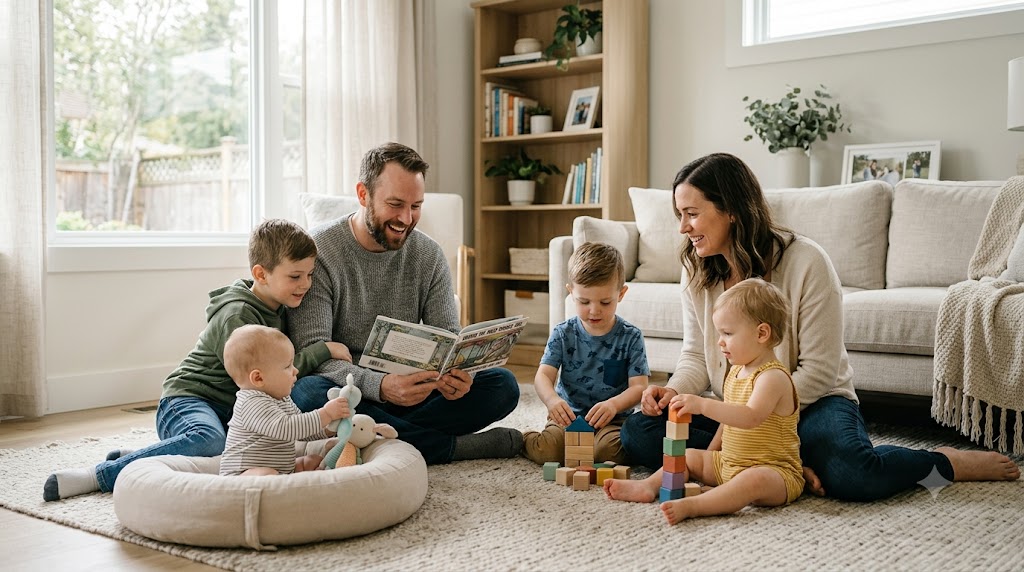
screen time support can be practical and flexible when it matches your child’s needs.
What Healthy Screen Use Includes
For children aged two to five, pediatric guidance commonly emphasises limited, high quality content with an adult involved when possible. The exact number of minutes is only one part of the picture. Sleep, active play, creative play, language, meals, and relationships still need protected time.
Look at the Whole Day
Ask whether your child is sleeping enough, moving their body, playing without a screen, and connecting with people. A short show that fits into a balanced day is different from a screen that replaces most of the day’s activities.
Choose Content With Intention
Look for calm pacing, clear stories, age appropriate language, and characters who model cooperation. Avoid using a device as constant background noise. Turn it on for a purpose, then turn it off when the purpose is complete.
Preview When You Can
Watch a few minutes first or use a trusted rating. Notice whether the program relies on frightening scenes, rapid cuts, or advertising that leads to repeated requests. A familiar episode is often easier to stop than an endless stream of new clips.
Set the Plan Before the Screen Starts
Tell your child what they will watch and what happens next: “One episode, then we wash hands for lunch.” Use a visual timer or a simple picture cue if your preschooler is still learning time. Advance clarity reduces the feeling that the ending arrived without warning.
Co View Instead of Background Viewing
Sit nearby when possible and make one or two comments about the story. Ask, “What do you think will happen?” or connect the theme to real life. Co viewing supports language and helps you notice when the content is too intense or confusing.
Make the Transition Predictable
Give a five minute warning, then a one minute warning, using the same calm words. When it ends, move straight to a prepared next activity such as blocks, water play, a snack, or helping with dinner. The next step should be concrete, not “Find something to do.”
Expect Feelings
Some protest is normal because stopping a pleasant activity is hard. Say, “You wanted more. It is hard to stop. The show is finished.” Hold the limit without adding a lecture or a new negotiation.
Protect Sleep
Keep screens out of the bedtime routine and avoid exciting content close to sleep. Dim lights, use the same wind down signal, and protect reading or quiet connection. If your child struggles to settle, review both the timing and the emotional intensity of the final program.
Use Screens During Hard Days Without Shame
Illness, travel, a new baby, or an exhausted parent can change the plan. A flexible day does not erase your family habits. Name the exception, return to the usual rhythm when you can, and avoid turning one long viewing period into a reason for guilt.
Build a Family Charging Place
Keep tablets and phones in one shared charging spot rather than bedrooms. This makes the boundary visible and helps adults follow the same rule. Store headphones safely and check volume so small ears are protected.
Model the Habit You Want
Children notice whether adults look at a phone during meals, conversations, and play. Put your device away for short windows and explain why: “I am listening to you.” You do not need perfect phone use to model a thoughtful reset.
Common Mistakes
- Using a screen as the only way to calm every strong feeling.
- Stopping without a warning and then adding a long explanation.
- Allowing autoplay to choose the next program.
- Using educational labels to overlook poor sleep or lost play.
- Changing the family rule for every protest.
When to Seek Extra Support
Ask a healthcare professional for guidance if screen use is linked with persistent sleep problems, severe distress, developmental concerns, or inability to participate in daily activities without a device. Support should be practical and free from shame.
Frequently Asked Questions
How much screen time is right for my preschooler?
Use pediatric guidance as a starting point, then consider your child’s sleep, movement, play, relationships, and temperament. A family plan that is consistent and realistic is more useful than a perfect number you cannot maintain.
Should every program be educational?
No. Calm stories and shared enjoyment can have value. Choose content that is age appropriate and leaves room for conversation, movement, and imaginative play.
What if my child melts down when it ends?
Validate the disappointment, keep the ending clear, and guide your child to the prepared next activity. Practise the same response each time.
Is background television harmful?
Background noise can interrupt play and conversation even when a child is not watching. Turn the screen off when no one is using it.
Creating healthy screen time habits
Screen time works best when it fits inside a wider rhythm of play, rest, sleep, and family connection. Keeping screen time practical and repeatable helps the whole family.
For broader, evidence informed context, see AAP media guidance.
Related Guides
Daily Routines | Bedtime Routine | Big Feelings | Preschoolers
Sources and Editorial Note
This article is educational information and is not medical advice. Guidance was reviewed against family media guidance from American Academy of Pediatrics HealthyChildren.org and World Health Organization. Seek individualized advice for sleep, development, or family wellbeing concerns. Reviewed by the Simplee Parenting editorial team.
Want calmer screen transitions?
Choose the plan before the show starts and make the next activity easy to see.