School Readiness: What It Actually Means and What Genuinely Helps
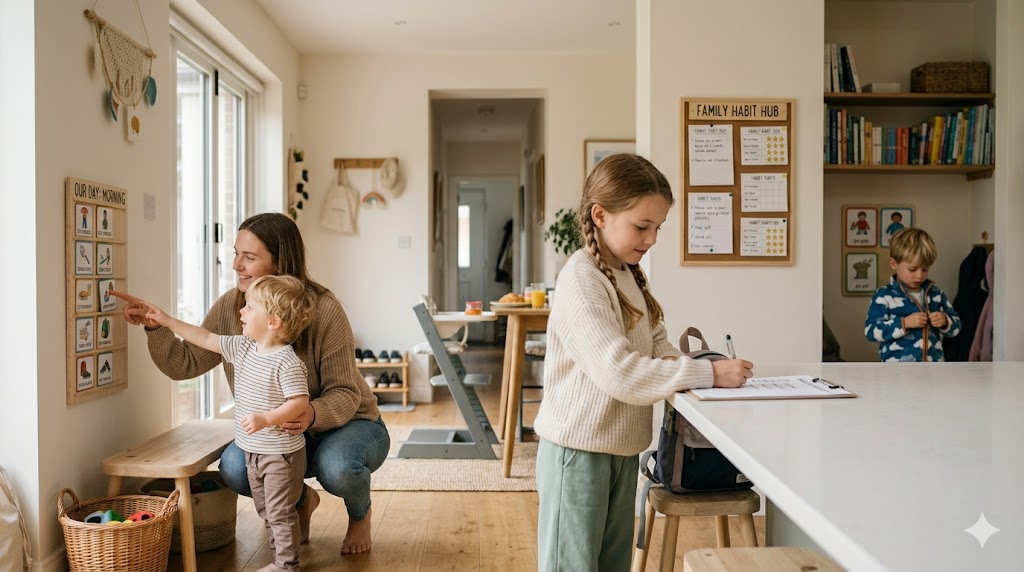
School readiness is not primarily about knowing letters and numbers, despite common assumptions. It is fundamentally about the emotional, social, and self-regulation skills that allow a child to learn effectively in a group setting.
What Actually Matters Most
Self-regulation, the ability to sit, wait, and manage frustration appropriately, predicts school success more strongly than early academic skills according to a substantial body of educational research. Social skills, including sharing, turn-taking, and basic conflict navigation, allow a child to function within a classroom community. Independence in basic self-care, using the toilet, managing simple belongings, following brief instructions, reduces classroom friction significantly. Genuine curiosity and enjoyment of learning matters more long-term than any specific early academic skill.
How to Support Readiness
Prioritize social and emotional skill-building through play and peer interaction over formal academic drilling. Practice following multi-step instructions in low-stakes everyday situations. Support independence in self-care tasks well before the school start date.
Frequently Asked Questions
Should my child already know letters and numbers before school?
Basic familiarity helps, but most schools are designed to teach these skills; social-emotional readiness is generally the stronger predictor of a positive start.
Related Resources
Child Development Guide | Preschoolers Guide | Independence Skills