Building Confidence in Children: What Actually Works
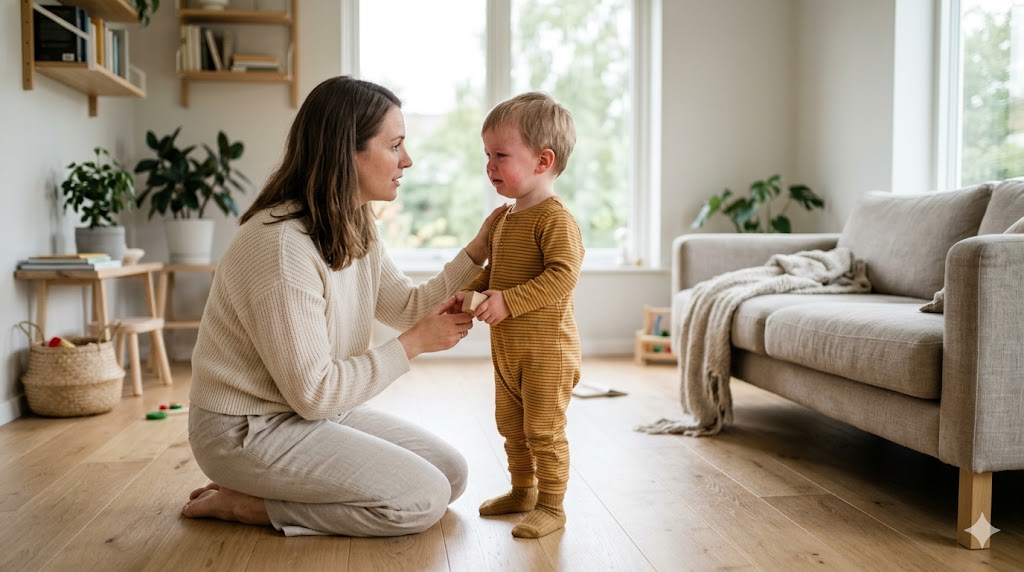
Confidence is not built by repeatedly telling a child they are great. It is built through accumulated genuine experience: attempting something difficult, sometimes succeeding and sometimes not, and discovering that the effort itself was survivable and valuable.
How Genuine Confidence Develops
Real confidence grows from competence, the felt experience of having actually done something difficult, rather than from praise disconnected from effort. A child who is told they are so smart for every small success can become fragile when facing genuine challenge, because their identity has been tied to an outcome rather than to their capacity for effort. Children who are praised for effort and strategy, you kept trying different approaches until it worked, develop what researchers call a growth mindset, a durable form of confidence that persists through difficulty.
Practical Strategies by Age
For toddlers, allow safe struggle with tasks slightly beyond current ability, offering help only when genuinely needed rather than immediately. For preschoolers, give real responsibilities appropriate to their age and acknowledge specific effort rather than generic praise. For school-age children, support them through genuine challenges rather than removing obstacles, and normalize mistakes as part of learning rather than something to be avoided. For preteens, respect growing autonomy and involve them meaningfully in decisions that affect them.
What Undermines Confidence
Over-praising every action, regardless of effort or outcome, dilutes the meaning of praise until it no longer functions as useful feedback. Rescuing a child from every struggle prevents them from discovering their own capability. Comparing a child unfavorably to siblings or peers damages self-concept more than it motivates improvement.
Frequently Asked Questions
Should I praise my child constantly?
Specific, effort-focused praise given when genuinely warranted is more effective than constant generic praise, which children learn to discount over time.
Related Resources
Child Behavior Guide | Independence Skills | Anxiety in Children