Aggressive Behavior in Children: Understanding the Root Cause
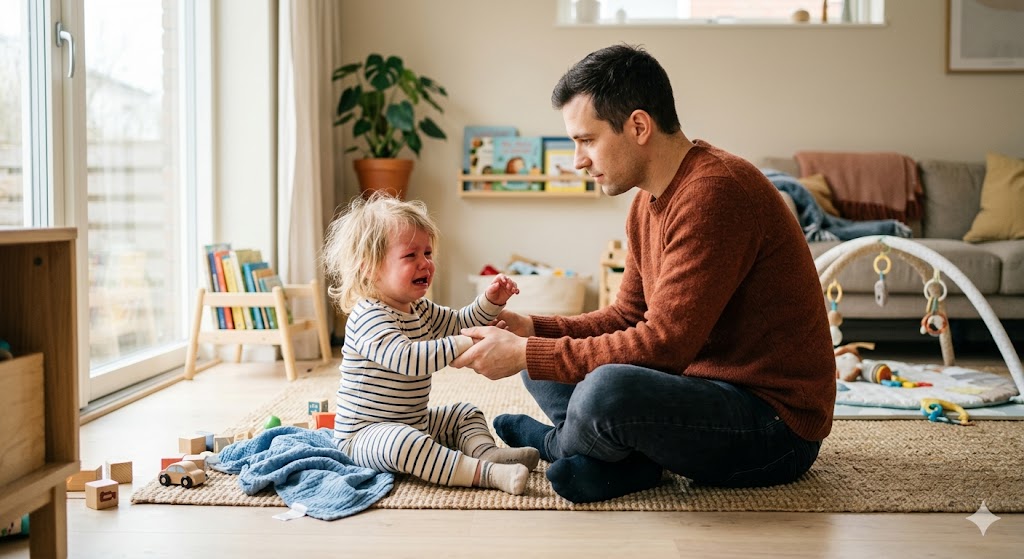
When a child behavior moves beyond typical toddler hitting or occasional preschool pushing into more persistent aggressive patterns, parents need both a clearer understanding of what is driving it and a more structured response strategy.
What Distinguishes Persistent Aggression
Occasional physical outbursts driven by frustration or limited language are developmentally typical in children under 4. Persistent aggression, frequent, escalating, or occurring across multiple settings and relationships, more often reflects an underlying difficulty: unaddressed emotional distress, a skills gap in regulation or communication, or in some cases a developmental or sensory processing difference that benefits from professional assessment.
Understanding the Function
Aggression nearly always serves a function for the child: escaping an uncomfortable situation, gaining access to something wanted, seeking attention, or expressing overwhelming internal distress they cannot otherwise communicate. Identifying which function is driving a specific pattern of aggression changes the intervention significantly; a child seeking escape needs a different response than a child seeking attention.
Building a Response Plan
Track patterns systematically for one to two weeks: time of day, setting, what happened immediately before, and what happened immediately after each incident. This reveals triggers that are not obvious in the moment. Address the underlying skill gap directly, whether that is emotional vocabulary, frustration tolerance, or social communication, rather than only managing the aggressive behavior itself. Ensure consistency across every caregiver and setting, as inconsistent responses significantly slow progress.
When to Seek Professional Support
If aggressive behavior is frequent, intensifying rather than improving with consistent parenting, or significantly impacting the child social relationships or family functioning, a pediatrician referral to a child psychologist or behavioral specialist is a genuinely valuable next step, not a sign of parenting failure.
Frequently Asked Questions
Is aggressive behavior a sign of a serious problem?
Not usually. Most aggressive behavior in young children reflects a temporary skills gap rather than an underlying disorder, and responds well to consistent, informed parenting.
Related Resources
Hitting and Biting | Child Behavior Guide | Positive Discipline
Aggressive Behavior in Children: What Parents Can Do
Quick answer: Aggressive behavior such as hitting, biting, kicking, or throwing often signals an overwhelmed nervous system, an unmet need, or a skill the child has not learned yet. Stop the unsafe behavior calmly, help the body settle, then teach and practice a safer response.
Common Reasons Children Become Aggressive
- Limited language or impulse control, especially in younger children
- Hunger, fatigue, sensory overload, pain, or an unexpected transition
- Frustration with sharing, waiting, losing, or being told no
- Stress at home or school, peer conflict, anxiety, or a major change
- Difficulty understanding social cues or communicating needs
- Learned patterns from harsh conflict, physical punishment, or violent media
What to Do in the Moment
- Protect everyone: block the hit, move dangerous objects, or separate children safely.
- Use few words: say, “I will not let you hit. Hitting hurts.”
- Lower stimulation: reduce noise, attention, and demands while the child calms.
- Stay nearby: offer calm presence without forcing conversation.
- Teach later: after regulation returns, practice the words or action the child can use next time.
Safer Skills to Practice
| Trigger | Replacement skill | Practice phrase |
|---|---|---|
| Another child has a desired toy | Ask, wait, trade, or use a timer | “Can I have a turn when you are done?” |
| Anger rises quickly | Step back, breathe, squeeze a cushion, or ask for space | “I need a break.” |
| A task feels too hard | Ask for help or divide it into one small step | “Please help me start.” |
| A limit is set | Name disappointment while keeping the body safe | “I am angry, but I will not hurt.” |
A Prevention Plan for Repeated Aggression
Track what happens before, during, and after incidents for one or two weeks. Look for patterns involving sleep, meals, screens, transitions, certain tasks, or particular social situations. Prepare the child before predictable challenges, offer limited choices, and notice every small use of a safer skill.
Consequences That Teach
Use immediate, related actions: pause the game when bodies are unsafe, help repair damaged items, or stay close during the next attempt. Avoid hitting, shaming, threatening, or long unrelated punishments. The child needs a clear boundary and repeated practice of the missing skill.
When to Get Professional Help
Contact a pediatrician or qualified child mental health professional when aggression is frequent, severe, worsening, causing injury, occurring across settings, or interfering with learning and relationships. Seek urgent local help when a child has a weapon, makes a credible threat, cannot be kept safely supervised, or may seriously harm themselves or another person.
Related Guides
Build the underlying skills with emotional regulation, support listening skills, and use our solutions for common parenting challenges.
Trusted Sources
- American Academy of Pediatrics: Preventing Aggressive Behavior
- American Academy of Pediatrics: Healthy Discipline
Editorially reviewed using our editorial policy and sources and references standards.