Key Points
- The move from diapers to underwear works best when a child shows readiness rather than when an adult chooses a date
- Underwear can be introduced gradually while naps, nights, or outings remain flexible
- Simple language and easy clothing help a child notice body signals and practise independence
- Accidents are part of learning and should be handled calmly without shame
- Constipation, pain, fear, or ongoing distress deserve extra support from a healthcare professional
Moving from diaper to underwear can feel like a major milestone, but it rarely happens in one perfect weekend. Some children are curious about underwear and toilets while still needing a diaper for sleep. Others seem ready at home and then have accidents during a busy outing. These uneven steps are normal.
The goal is not to make your child perform on an adult timetable. It is to help them notice body signals, use the toilet with support, and feel proud of growing independence. A relaxed plan protects the relationship and makes room for pauses when illness, travel, or stress changes the day.
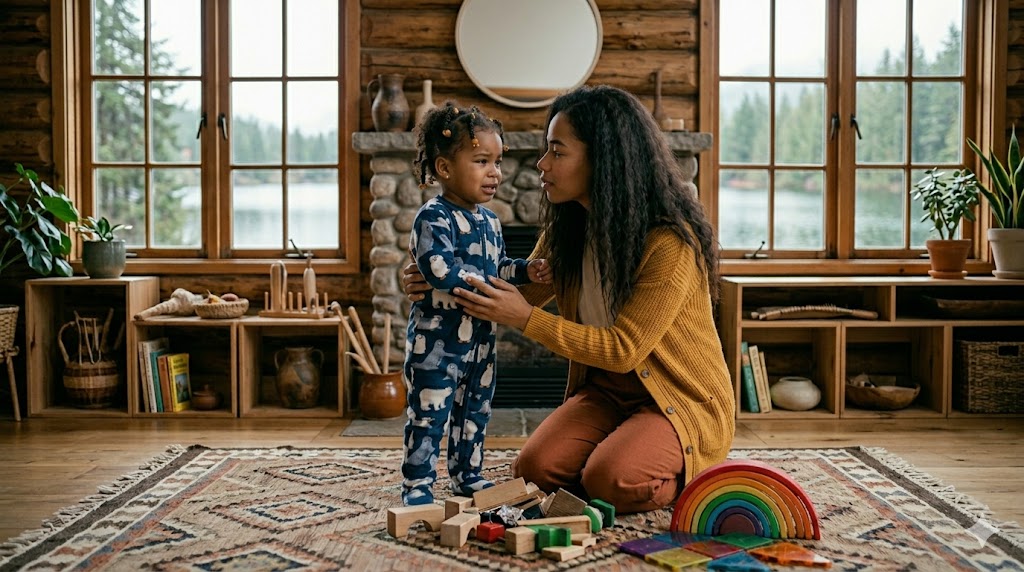
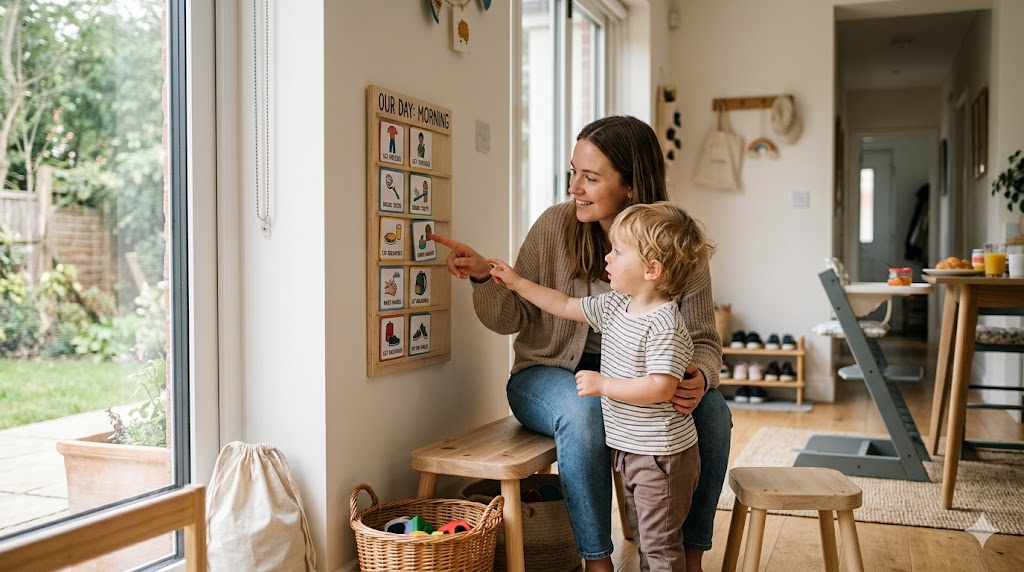
Is Your Child Ready for Underwear?
Readiness is a pattern, not a checklist that must be complete. Your child may stay dry for longer periods, notice a wet diaper, hide to poop, show interest in the bathroom, or pull clothing up and down. They may also understand simple instructions and tell you when they need help.
Interest alone is not a guarantee. If your child becomes frightened, holds stool, or resists every bathroom visit, pause and protect trust. You can return to the idea later without describing the pause as failure.
Body Awareness
Notice whether your child can tell when pee or poop is coming. Use ordinary words for body parts and bathroom needs. Calm language gives your child information without making the subject embarrassing.
Motor Skills
Elastic waist trousers, loose shorts, and underwear that can be pulled down make practice easier. Avoid complicated buttons during the learning stage. Independence grows faster when the clothing is designed for success.
Choose a Gentle Starting Plan
Decide which part of the day will be easiest. You might begin at home after breakfast, keep diapers for naps and nights, and use a diaper for a long journey. Tell your child the plan in simple terms and let them know it can change when their body needs support.
Try Short Practice Windows
Offer underwear for an hour or two while your child is awake and near a toilet. If the experiment leads to repeated accidents or distress, return to a diaper and try again later. Short practice keeps the experience manageable.
Prepare the Environment
Keep a step stool, wipes, spare clothing, and a small laundry basket nearby. A child who can reach the bathroom and clean clothes needs less adult rescue. Protect floors during early practice without making the room feel like a test area.
Teach the Routine Without Pressure
Show the sequence: notice the feeling, stop playing, walk to the bathroom, pull clothes down, sit or stand safely, wipe, flush if appropriate, wash hands, and return to the day. You do not need to explain every detail at once. Teach one step, then add another.
Use Predictable Times
Offer the toilet after waking, before leaving, after meals, and before sleep. Use the word offer rather than command. A regular opportunity helps your child remember the routine, while forcing a long sit can create resistance.
Let Your Child Choose Small Details
Allow a choice between two pairs of underwear, two books, or sitting on a potty or toilet insert. The adult keeps the safety boundary while the child gets a manageable part of the decision.
How to Handle Accidents
Stay neutral and practical. Say, “Your clothes are wet. Pee goes in the toilet. Let us get clean.” Help your child change, place wet clothes in the basket, and continue the day. Avoid shocked faces, teasing, or a long conversation about what went wrong.
Accidents give adults information. Was your child busy, tired, constipated, too far from the bathroom, or wearing difficult clothing? Adjust the environment rather than treating the accident as a moral problem.
Diaper to Underwear at Night
Night dryness often develops later because it depends on sleep and body signals. Keep a diaper or training pant for sleep if needed. Tell your child that daytime underwear and nighttime protection can both be part of learning. Protect the mattress and avoid waking a deeply sleeping child repeatedly unless a healthcare professional recommends it.
Outings, Childcare, and Travel
Before leaving, show your child where the bathroom is and pack spare underwear, trousers, socks, and a bag for wet clothes. Tell the caregiver which words and routine you use. Consistency helps, but it is reasonable to use a diaper during a long trip or a new environment while skills are still developing.
A Simple Childcare Message
Share three facts: the signs your child gives, the words you use, and how you respond to an accident. Ask the caregiver to offer regular bathroom opportunities without pressure. Everyone does not need to use identical phrases, but the tone should remain respectful.
Common Mistakes to Avoid
- Starting because another child has started.
- Keeping a child seated until they produce something.
- Using sweets, shame, or threats as the main motivation.
- Switching plans every few hours after an accident.
- Expecting nighttime dryness at the same time as daytime progress.
- Ignoring pain, hard stools, or fear of the toilet.
When to Ask for Extra Help
Speak with a healthcare professional if your child has pain while urinating or passing stool, repeated constipation, blood, strong fear, frequent wetting after a long dry period, or distress that does not ease with a calm plan. Support is especially important when a child holds stool or avoids eating because of bathroom worries.
Frequently Asked Questions
When should I switch from diaper to underwear?
Begin when your child shows several readiness signs and can participate in the routine. A gradual daytime start is often easier than removing every diaper at once.
How many accidents are normal?
There is no fixed number. Accidents are common while a child is learning, especially during play, sleep, illness, and travel. Look for gradual progress rather than a perfect record.
Should I use pull ups?
Pull ups can be useful for naps, nights, travel, or childcare while daytime skills grow. Explain that they are protection, not a punishment or a sign that learning has stopped.
What if my child refuses underwear?
Pause and remove the pressure. Let your child explore the idea through books, shopping, or choosing underwear for a doll. Try again when curiosity returns.
Making the diaper to underwear transition
The diaper to underwear transition is easier when children can practice one step at a time and accidents are treated as information. Keeping diaper to underwear practical and repeatable helps the whole family.
For broader, evidence informed context, see AAP toilet training guidance.
Related Guides
Gentle Potty Training | Toddlers 1 to 3 Years | Positive Discipline | Daily Routines
Sources and Editorial Note
This article is educational information for parents and is not medical advice. The guidance was reviewed against resources from American Academy of Pediatrics HealthyChildren.org, ZERO TO THREE, and the Centers for Disease Control and Prevention. Families should seek individualized advice when pain, constipation, fear, or regression persists. Reviewed by the Simplee Parenting editorial team.
Ready for a calmer toilet learning plan?
Explore gentle steps for routines, independence, and positive discipline.