Key Points
- Gentle potty training follows readiness and relationship rather than a rigid deadline
- Children learn through short, predictable practice and easy access to the bathroom
- Accidents are information, not a reason for shame or punishment
- Constipation and painful bowel movements can make toilet learning much harder
- Pausing is a useful choice when fear or pressure is taking over
Gentle potty training is not a race to remove every diaper in a few days. It is a gradual process in which a child learns body signals, bathroom routines, and the confidence to ask for help. Some children are ready earlier, while others need more time, especially during travel, illness, family change, or a move to a new childcare setting.
A calm approach does not mean ignoring accidents or letting the routine disappear. It means keeping the boundary clear while protecting your child’s dignity. When practice feels predictable and manageable, children can focus on learning instead of defending themselves from pressure.
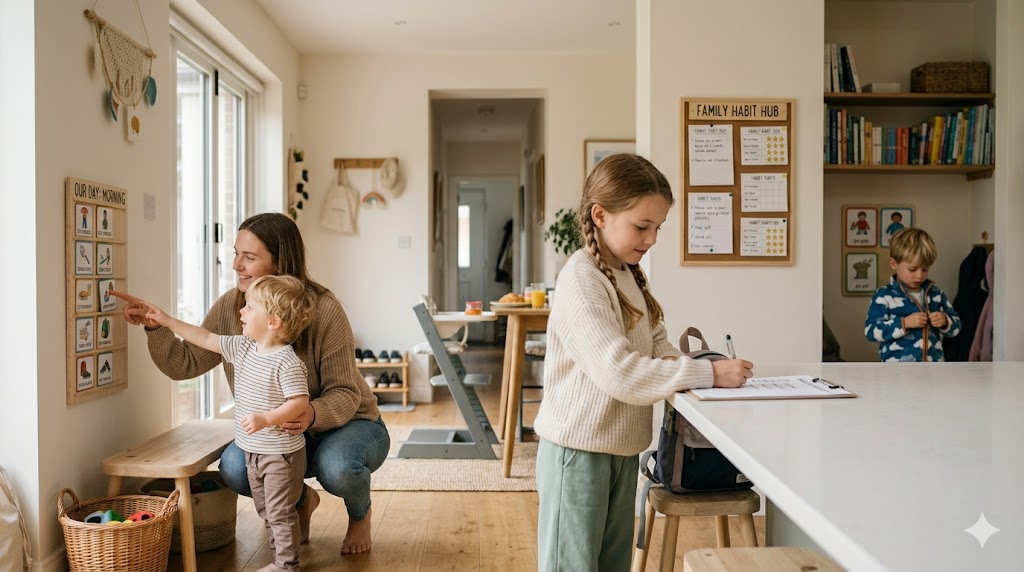
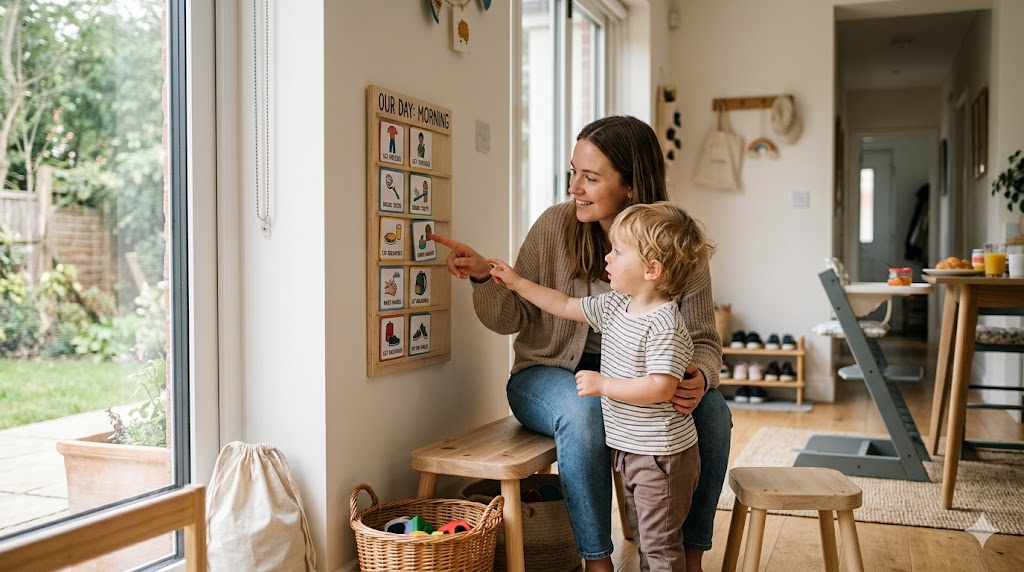
What Gentle Potty Training Means
Gentle potty training combines clear teaching with respect for the child’s pace. You offer regular opportunities, explain what happens, and help with clothing and hygiene. You do not force a child to sit for long periods, use humiliation, or turn every bathroom visit into a test.
The adult remains responsible for the environment and the routine. The child gradually takes responsibility for noticing the body signal and participating in the steps. This shared responsibility keeps expectations realistic.
Signs Your Child May Be Ready
Readiness often appears as a group of small signs. Your child may stay dry for longer, hide to poop, tell you after a diaper is wet, show interest in the toilet, or want to copy an older child. They may be able to pull trousers down, follow a simple instruction, and sit safely with support.
Readiness Is Not All or Nothing
A child can be ready to learn one part of the routine while still needing a diaper for naps, nights, or long journeys. Begin with the skill that feels easiest and allow other forms of protection while the body matures.
Prepare the Bathroom
Make the toilet easy to reach and comfortable. A stable step stool, a child sized seat, toilet paper within reach, and a place for wet clothing reduce unnecessary frustration. Let your child see the routine without making them sit before they are ready.
Choose Easy Clothing
Loose trousers or elastic waist shorts are easier than buttons and tight layers. Practise pulling clothing down and up during play so the movement is familiar before a real bathroom need arrives.
Teach the Routine in Small Steps
Use the same sequence each time: notice the feeling, pause play, walk to the bathroom, pull clothing down, sit or stand safely, wipe, flush if appropriate, wash hands, and return to the day. You can teach one step at a time and help with the rest.
Offer Regular Opportunities
Invite your child to try after waking, before leaving home, after meals, and before sleep. Keep the invitation brief. If your child says no, acknowledge the answer and offer another opportunity later unless there is a health or safety reason to act now.
Use Simple, Neutral Words
Talk about pee, poop, wet, dry, and the toilet without disgust or drama. Clear language helps children report a need. Avoid describing bowel movements as dirty or bad, because shame can make children hold stool.
What to Do When Your Child Refuses
Refusal often means the demand has become too large, the child is worried, or the timing is poor. Step back to a smaller goal. Your child might choose a book for the bathroom, sit fully clothed for a moment, or simply help place toilet paper in the room. Curiosity can return when the pressure is gone.
How to Handle Accidents
Stay matter of fact. Say, “Your clothes are wet. Pee goes in the toilet. Let us get changed.” Help your child clean up without making the task humiliating. Then continue the day. Accidents are a chance to notice whether the toilet was too far away, the clothing was difficult, or the child was deeply involved in play.
Do not ask “Why did you do that?” when the answer is usually that the body signal was late or the child did not notice it. A practical response teaches more than a lecture.
Rewards and Motivation
Some families use a simple sticker or celebrate an effort. If you use a reward, keep it small and temporary, and make sure the child understands the skill rather than chasing a prize. Warm attention, specific praise, and a sense of mastery are often stronger long term motivators.
Say, “You noticed your body and told me,” or “You pulled your trousers down by yourself.” Praise the action you want your child to repeat.
Constipation and Fear
Hard stools, pain, or fear can quickly turn toilet learning into a cycle of holding and more pain. Offer water and fibre rich foods that suit your family, but speak with a healthcare professional about ongoing constipation or painful bowel movements. Do not pressure a child to sit when they are frightened.
Sleep, Childcare, and Outings
Nighttime dryness usually comes later. Keep a diaper or training pant for sleep when needed and explain that daytime learning and nighttime protection can coexist. For childcare, share the words, signs, and routine that work at home. For outings, pack spare clothes and locate a bathroom before your child urgently needs one.
Keep the Plan Flexible
A pause during illness, travel, or a major family change is not starting over. Return to the last step your child managed comfortably, then build again. Consistency means returning to a calm plan, not insisting on the same result every day.
Common Mistakes to Avoid
- Starting because another child has started.
- Keeping a child on the toilet until something happens.
- Using shame, threats, or public comparisons.
- Expecting nighttime dryness at the same time as daytime learning.
- Changing the plan after every small accident.
- Ignoring pain, constipation, or fear.
When to Seek Extra Support
Speak with a healthcare professional if your child has pain, blood, repeated constipation, strong fear, frequent wetting after a long dry period, or distress that continues despite a calm approach. Extra support can protect health and help the family choose a realistic next step.
Frequently Asked Questions
How long does gentle potty training take?
There is no fixed timetable. Some children learn daytime steps quickly, while others need months of practice and pauses. Look for gradual progress in body awareness, communication, and participation.
Should I remove diapers completely?
Not necessarily. Many children use underwear during familiar daytime routines and diapers or training pants for sleep, travel, or childcare while skills are developing.
What if my child is afraid of the toilet?
Reduce the pressure and make the bathroom familiar without requiring a sit. Read a book nearby, practise clothing steps, and return to the toilet when your child shows curiosity.
Are accidents a sign my child is not ready?
Accidents are normal during learning. If they are frequent and your child is distressed, pause or make the practice window smaller. Readiness can grow over time.
Supporting potty training
Potty training becomes less stressful when the bathroom is easy to reach, the language stays neutral, and pressure stays low. Keeping potty training practical and repeatable helps the whole family.
For broader, evidence informed context, see AAP toilet training guidance.
Related Guides
Diaper to Underwear | Toddlers 1 to 3 Years | Positive Discipline | Daily Routines
Sources and Editorial Note
This article is educational information for parents and is not medical advice. The guidance was reviewed against resources from American Academy of Pediatrics HealthyChildren.org, ZERO TO THREE, and the Centers for Disease Control and Prevention. Families should seek individualized advice when pain, constipation, fear, or regression persists. Reviewed by the Simplee Parenting editorial team.
Ready for a calmer toilet learning plan?
Explore gentle steps for routines, independence, and positive discipline.