Potty training readiness is less about a specific birthday and more about a group of signs that show your child can participate. Some toddlers are ready soon after age two, while others need more time. A low pressure start protects confidence and makes learning easier.
Key Points
- Readiness signs matter more than age when deciding to start potty training
- Key signs include staying dry 2+ hours, showing interest, and following simple instructions
- Starting before genuine readiness typically extends the process, not shortens it
- Accidents are a normal, expected part of the process, not a sign it is failing
- Praise effort and attempts, not only successes, to keep motivation steady
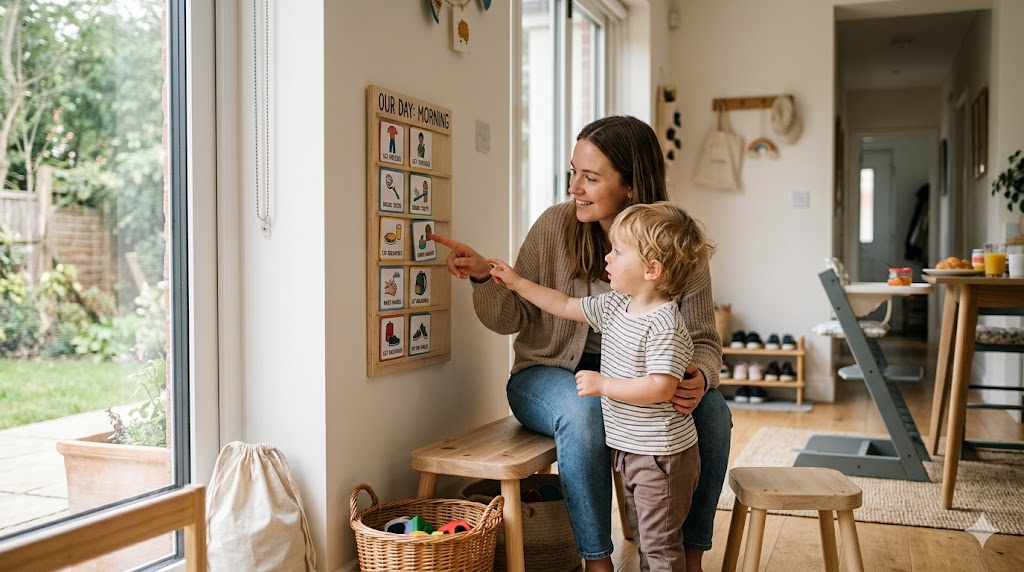
potty training readiness support can be practical and flexible when it matches your child’s needs.
Signs of Readiness
Staying dry for stretches of 2 hours or more. Showing interest in the bathroom or wanting to wear underwear. Being able to follow simple 2-step instructions. Communicating, verbally or through clear signals, when they need to go. Most children show these signs somewhere between 18 months and 3 years, with considerable normal variation.
Starting the Process
Introduce the potty casually weeks before any pressure begins, letting your child sit on it clothed if they want to. Use consistent, simple language rather than a rotating set of euphemisms. Expect accidents as a normal part of the process, not a sign it is not working.
What Helps
Praise effort and attempts, not only successes. Dress your child in easy-to-manage clothing during the process. Stay neutral and calm about accidents rather than showing frustration, which can create anxiety that slows progress.
What to Avoid
Starting before genuine readiness signs appear typically extends the timeline. Punishing accidents creates shame that works against the goal. Comparing your child progress to another child ignores the wide range of normal timing.
Expert Tip
Introduce the potty casually, with zero pressure, for a week or two before any real training begins. This single step alone reduces resistance significantly once training actually starts.
Signs your child may be ready
Look for interest in the bathroom, awareness of a wet or dirty diaper, a longer dry period, and the ability to follow a simple instruction. It also helps if your child can pull clothing up and down and tell you about a body signal. You do not need every sign at once; look for a pattern over several weeks.
Prepare without pressure
Place a small potty where your child can reach it and use simple, neutral words for pee and poop. Let your child sit fully clothed at first if that feels safer. Read a short potty book, demonstrate hand washing, and offer choices such as which underwear to try. Avoid comparing siblings or promising rewards you cannot keep.
Expect accidents
Accidents are part of the learning process. Stay matter of fact, help your child clean up, and say what to try next time. If your child becomes fearful, holds stool, or resists every attempt, pause for a week or two and rebuild comfort before trying again.
Day and night are different
Nighttime dryness often develops later than daytime skills. Use a mattress protector and keep the focus on rest rather than performance. Ask a clinician about pain, constipation, or sudden changes in toileting.
Watching for potty training readiness
Potty training readiness grows through body awareness, simple language, and practice that stays free from shame. Keeping potty training readiness practical and repeatable helps the whole family.
For broader, evidence informed context, see AAP toilet training guidance.
Related Guides
Potty Training | Toddlers 1-3 Years | Independence Skills
Sources
This guidance reflects widely accepted early childhood developmental practice around toilet training readiness. Individual timelines vary considerably and normally.
Ready to Start Potty Training?
Read our step-by-step gentle potty training guide for the full process once your child shows readiness.
Read the Gentle Potty Training GuideExplore Toddlers 1-3 Years
More Help for the Toddler Years
Potty learning often overlaps with resistance, routines, and big feelings. Use our guide to common parenting challenges for a wider plan, and visit toddler parenting for age appropriate expectations.