Chores for Children: Building Responsibility That Lasts
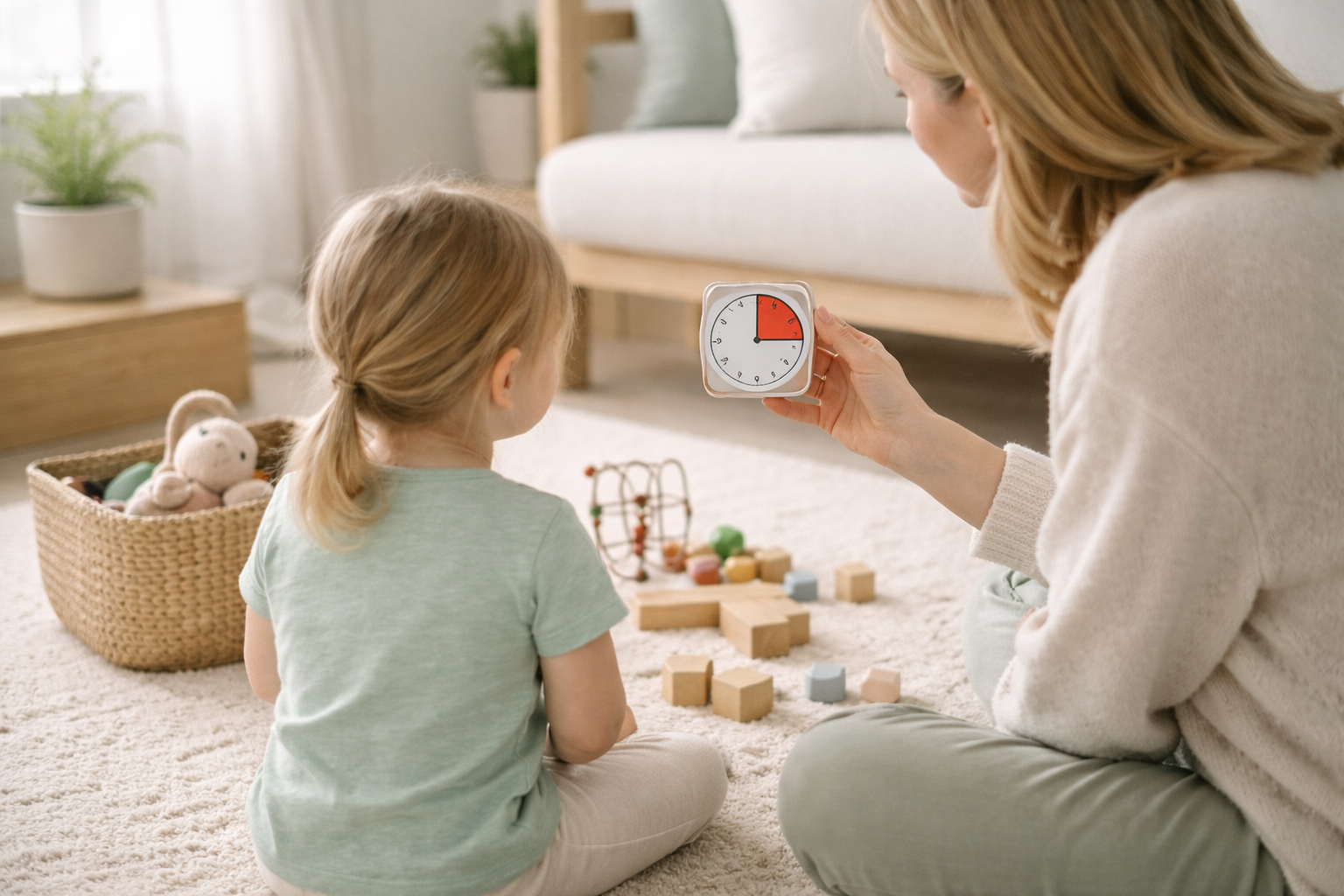
Chores build far more than a tidy house. Research consistently links age-appropriate household responsibility with stronger self-esteem, greater empathy, and better long-term life outcomes than academic achievement alone predicts.
Age-Appropriate Chores
Toddlers aged 2 to 3 can put toys in a bin and help carry light items. Preschoolers aged 3 to 5 can set the table, feed a pet with supervision, and tidy their own toys. School-age children aged 6 to 10 can make their bed, help with dishes, and manage simple laundry tasks. Preteens aged 10 to 12 can take on more independent responsibilities like vacuuming, more complex cooking tasks, and managing their own schedules with guidance.
Making Chores Stick
Introduce one new chore at a time rather than a full system at once. Do the task together initially before expecting independent completion. Frame chores as contribution to the family rather than punishment or purely transactional payment, which research suggests builds stronger intrinsic motivation over time. Expect imperfect results, especially initially, and resist the urge to redo the task visibly in front of the child.
Frequently Asked Questions
Should chores be tied to allowance?
Research is mixed; many child development experts suggest separating basic family contribution chores from any paid allowance system to preserve intrinsic motivation.
Related Resources
Daily Routines Guide | Free Chore Charts | Independence Skills