Teaching Respect: Building a Genuinely Respectful Family Culture
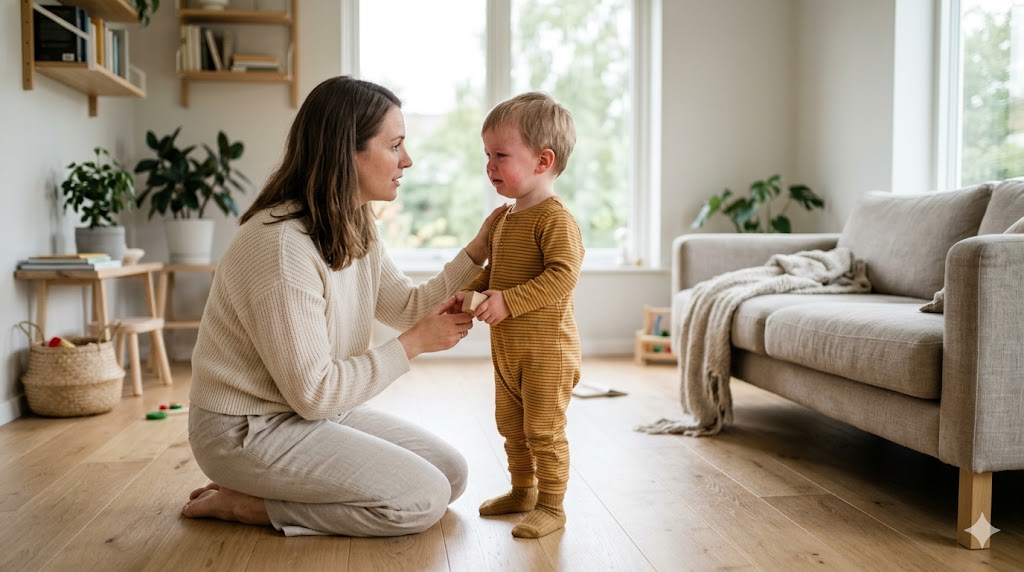
Respect in children is not commanded into existence. It is modelled, taught through daily interaction, and built cumulatively through the way a family treats every member, including the youngest.
Respect Is Modelled, Not Demanded
Children learn respectful behavior primarily by observing how the adults around them treat each other and treat the child themselves. A household where disagreements are handled calmly, where mistakes are acknowledged rather than denied, and where every family member speaks to each other with basic courtesy produces children who replicate that pattern far more reliably than one relying on lectures about respect.
Respecting the Child First
Demanding respect from a child while dismissing their feelings, mocking their concerns, or speaking to them in a tone an adult would never accept creates confusion rather than compliance. Respect that flows only one direction, from child to parent, is rarely internalized. Respect that flows both ways, adjusted appropriately for the parent-child relationship, is what children actually learn from.
Age-Appropriate Expectations
Toddlers are not developmentally capable of consistent respectful behavior; their brains prioritize immediate need expression over social consideration. Preschoolers can begin to understand simple respect concepts, using kind words, waiting turns, with consistent modelling and reminders. School-age children can genuinely grasp reciprocity and begin to self-monitor respectful behavior with ongoing support. Preteens are developing the capacity for genuine empathy-driven respect and benefit from being treated with increasing autonomy and trust.
Practical Strategies
Name disrespectful behavior specifically rather than globally: that tone was unkind is more useful than you are so rude. Acknowledge respectful behavior when you see it, not only correcting its absence. Apologize genuinely when you fall short as a parent; this models accountability more powerfully than any lecture. Set clear consistent limits around behaviors that cross real lines, such as name-calling or physical aggression, while allowing space for children to express disagreement respectfully.
Frequently Asked Questions
How do I handle back-talk?
Distinguish between disrespectful tone and legitimate disagreement. A child expressing frustration respectfully, I do not think that is fair, is different from name-calling or shouting, which warrants a clear calm limit.
Should I demand an apology?
Forced apologies rarely build genuine remorse. Modelling apology yourself and creating space for a child to reach one authentically, even later, tends to build more lasting understanding.
Related Resources
Child Behavior Guide | Positive Discipline | Listening Skills