Parenting Tips by Age: Your Complete Guide from Baby to Preteen
Every stage of childhood brings unique challenges and opportunities. Explore age-specific parenting tips, routines, emotional support strategies, and practical advice to help your child thrive.
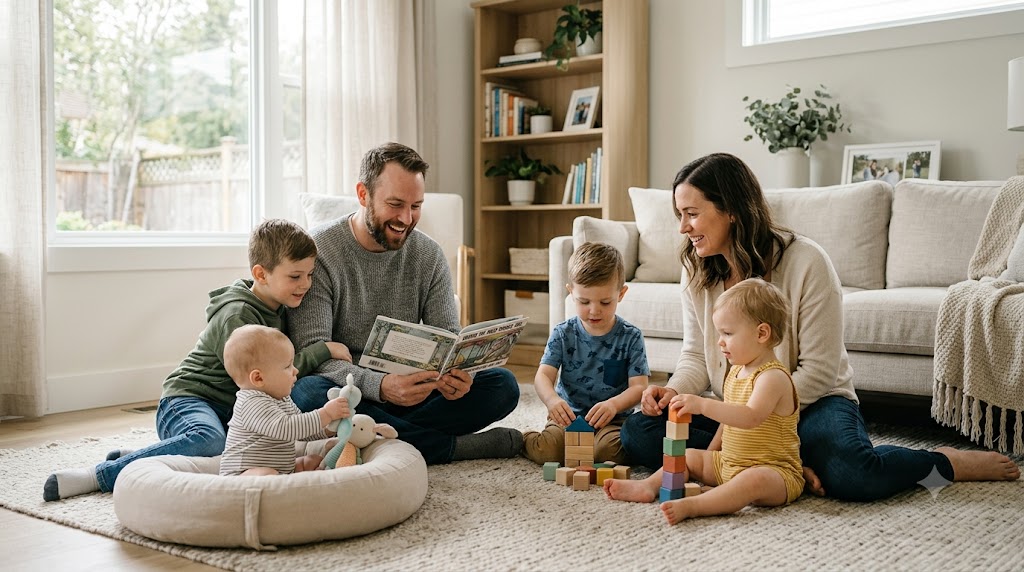
Children grow and change quickly. A routine that works for a toddler may not be enough for a preschooler, and a behavior strategy that works at age two may need to change by age five.
This page helps you find the best starting point based on your child’s age. Choose your child’s stage, then explore routines, behavior help, big feelings tools, and simple printables that match where your child is right now.
🧒 Toddler 2–3 Years
Discover strategies for tantrums, communication, emotional growth, and daily routines.
🎨 Preschooler 3–4 Years
Help your child develop independence, social skills, emotional regulation, and confidence.
📚 School Age 4–5 Years
Support responsibility, learning habits, friendships, and self-confidence.
🌟 Preteen 5–8 Years
Learn how to strengthen communication, build trust, manage screen time, and prepare for adolescence.
Parenting Tips for Babies (0–12 Months)
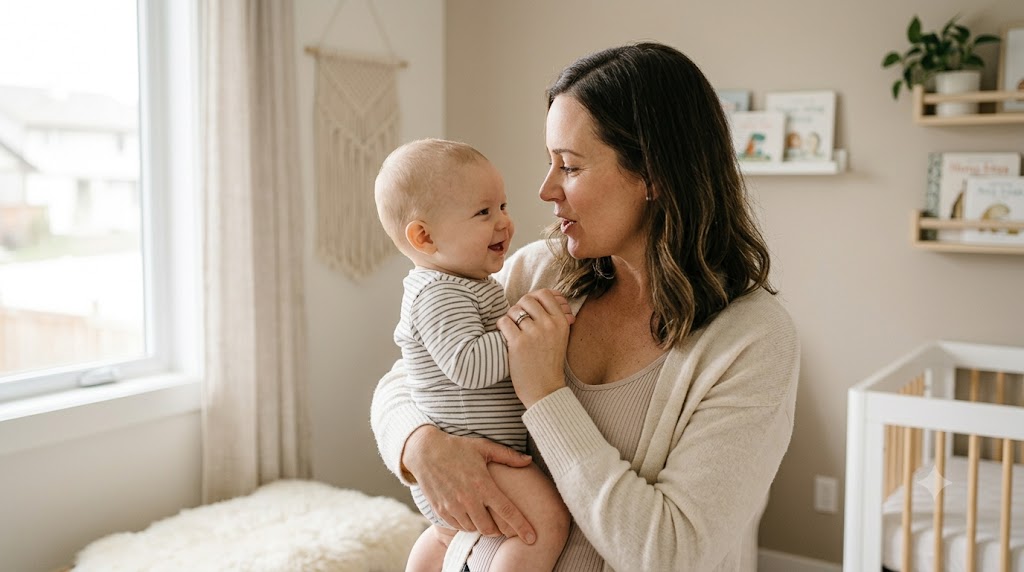
The first year of life is a period of rapid growth and development. Babies learn through responsive caregiving, safe exploration, and consistent routines. Parents can support healthy development by focusing on bonding, sleep, feeding, and communication from the very beginning.
At a Glance
Age
Main Focus
Common Challenge
Parent Goal
0–12 Months
Bonding & Development
Sleep Routine
Build Trust & Security
This page helps you find the best starting point based on your child’s age. Choose your child’s stage, then explore routines, behavior help, big feelings tools, and simple printables that match where your child is right now.
Build a Secure Attachment
A secure attachment helps babies feel safe and supported. Responding to your baby’s needs, making eye contact, talking during daily activities, and offering comfort during distress all contribute to emotional security. Consistent and loving interactions help build trust and support healthy brain development.
Create Healthy Sleep Habits
Babies benefit from predictable sleep routines. A calming bedtime routine may include a bath, feeding, reading, or gentle rocking. Consistency helps babies learn when it is time to sleep and can improve sleep quality over time.
Support Early Communication
Even before babies can speak, they learn from listening and observing. Talk to your baby throughout the day, describe what you are doing, sing songs, and respond to sounds and facial expressions. These interactions support language development and strengthen your relationship.
Encourage Safe Exploration
Babies learn through movement and sensory experiences. Provide a safe environment where your child can explore textures, sounds, and objects. Simple activities such as tummy time and supervised play support physical and cognitive development.
- Follow consistent daily routines
- Respond to cries with patience
- Read and talk every day
- Prioritize safe sleep practices
- Encourage supervised exploration
Related Resources
- Positive Parenting Strategies
- Understanding Big Feelings
- Simple Daily Routines
- Printable Routine Charts
Parenting Tips for Toddlers (1–3 Years)
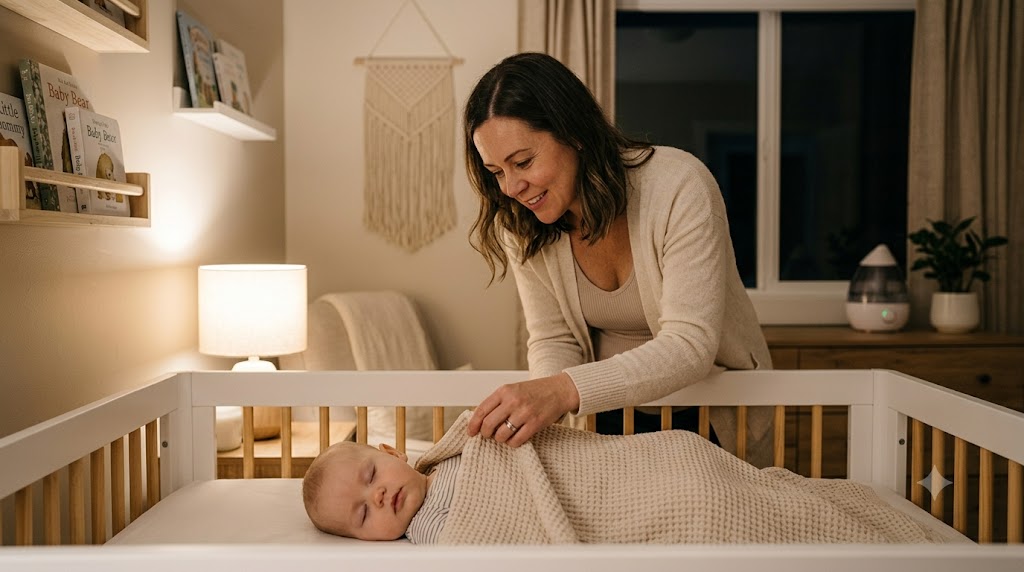
The toddler years are full of curiosity, rapid learning, and growing independence. Children between one and three years old begin exploring the world, testing limits, and expressing strong emotions. During this stage, parents can support healthy development by creating consistent routines, encouraging communication, setting clear boundaries, and responding to challenging behaviors with patience and empathy.
At a Glance
Age
Main Focus
Common Challenge
Parent Goal
1–3 Years
Communication & Routines
Tantrums
Stay Calm & Consistent